How Restaurant Marketing Is Different From Any Other Industry (And What Actually Works)
Treva Team
Published by Treva Digital Agency
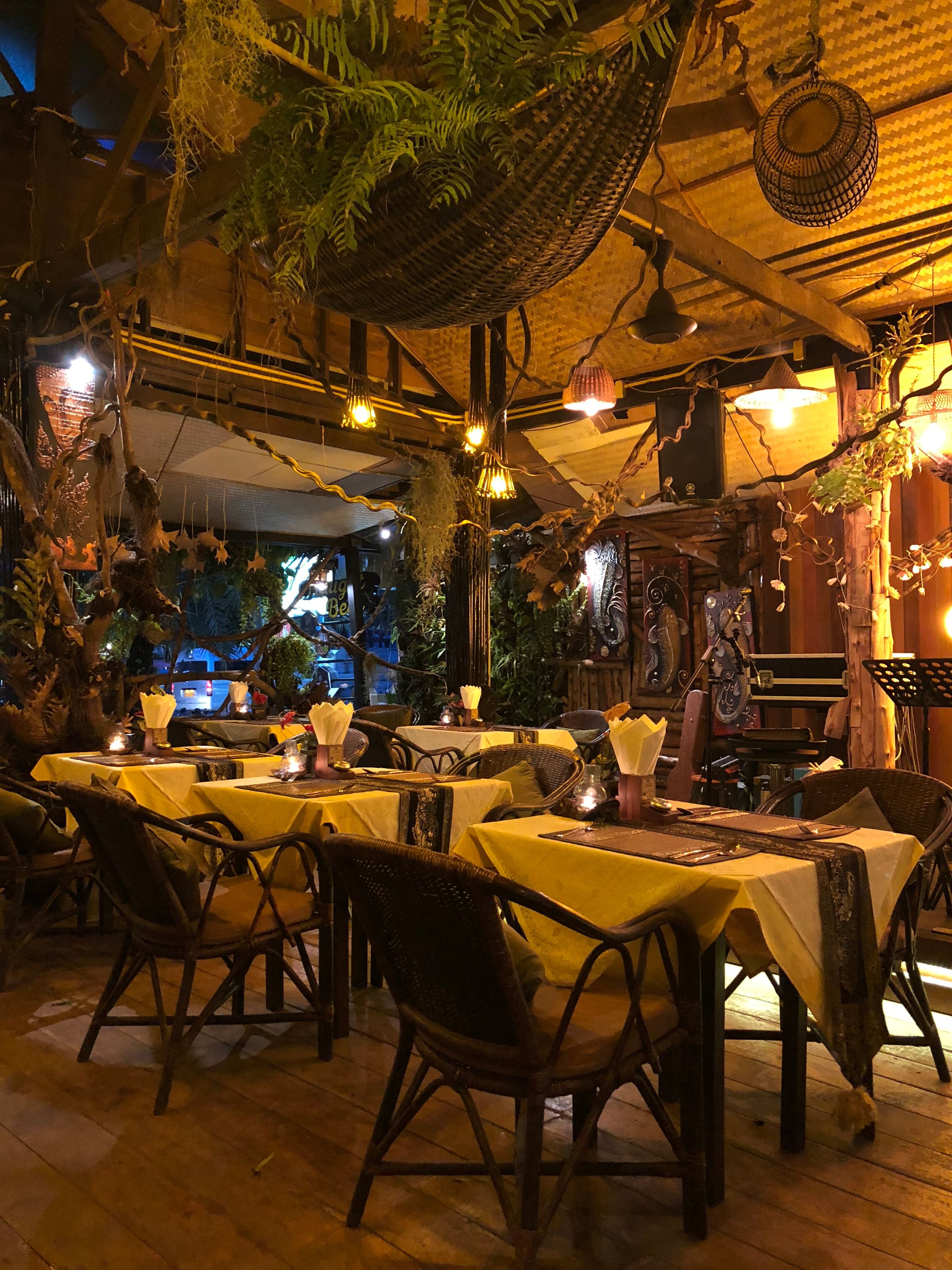
Restaurants operate on a fundamentally different timeline than most businesses. Someone deciding where to eat tonight has roughly a two-hour decision window, and their choice is almost always hyperlocal, within a few kilometres of where they are. Standard digital marketing playbooks, built for longer consideration cycles and broader targeting, often fail restaurants. This guide covers the marketing stack Treva uses for F&B clients. Quick answer: restaurant marketing works best when Instagram content, Google Business, and UGC creator content are coordinated weekly, not monthly.
The Two-Hour Decision Window
Most restaurant decisions happen close to the meal itself, someone is hungry now, or planning where to go in the next few hours. This means restaurant marketing needs to win two different moments: being top-of-mind when someone is generally deciding where to eat this week (awareness), and being immediately findable and convincing when someone searches 'restaurants near me' or similar in the moment of decision (capture). Both moments require different tactics.
Google Business Profile: The Most Underused Asset
For the "in the moment" search, your Google Business Profile is often more influential than your website. Photos, recent reviews, accurate hours, menu information, and posts about current offers all directly affect whether someone choosing between three nearby restaurants picks yours. Yet many restaurants set up their profile once and never update it. Treva treats Google Business Profile optimisation as an ongoing, weekly task, not a one-time setup.
Instagram Content Frequency Matters More Than Production Value
For the 'top-of-mind' awareness moment, consistent Instagram presence matters more than highly polished individual posts. A restaurant posting 5 times per week, even with simpler content, stays visible in followers' feeds and builds familiarity. A restaurant posting twice a month, even with beautifully produced content, fades from memory between posts. Frequency builds the habit of thinking of your restaurant when the decision moment arrives.
UGC for Menu Items Builds Trust Faster Than Branded Photos
Professional food photography looks great but can feel staged. UGC-style content, real customers or creators genuinely reacting to and reviewing dishes, builds the kind of trust that influences a "where should we eat" decision. Through Creator Hub, restaurants can commission a steady stream of UGC content featuring different menu items, which performs well both organically and as paid ad creative.
Reservation-Focused Google Ads
For restaurants that take reservations or have a clear value proposition (a specific cuisine, a view, a unique experience), Google Search Ads targeting 'near me' and cuisine-specific searches can capture high-intent local searches at the moment of decision. These campaigns work best when paired with a fast-loading landing page or Google Business Profile that makes booking or finding directions effortless.
Why Weekly Coordination Beats Monthly Planning
Because the restaurant business is so time-sensitive, weekly events, daily specials, weather-dependent footfall, a monthly content calendar planned far in advance often feels disconnected from what's actually happening in the restaurant that week. Treva's approach for F&B clients involves a weekly coordination check-in: aligning Instagram content, Google Business posts, and any active ad campaigns with what's actually happening that week, a new dish, a quiet Tuesday that needs a push, an upcoming event.
Relevant Treva Services
Related Treva Products
Frequently Asked Questions
How often should a restaurant post on Instagram?
Based on Treva's analysis across F&B clients, restaurants posting around 5 times per week see meaningfully more Google Business profile views than those posting 2 times per week. A practical weekly structure includes a mix of food-focused reels, behind-the-scenes content, offers or events, and reposted UGC.
Is Google Ads worth it for a small, single-location restaurant?
Often yes, particularly for "near me" and cuisine-specific searches, because the intent behind these searches is very high (someone is actively deciding where to eat). Even a modest budget focused tightly on local, high-intent keywords can drive meaningful footfall for a single location.
How does Creator Hub work specifically for restaurants?
Restaurants using Creator Hub specify their cuisine, location, and content goals (e.g., showcasing a new menu, ambience, or a special event), and are matched with local food-focused creators who produce UGC-style videos, typically used both for organic social posts and as creative for Meta Ads campaigns.
What's the single highest-impact change a restaurant can make to its marketing?
For most restaurants, the highest-impact starting point is an active, regularly updated Google Business Profile, photos, posts, and prompt responses to reviews, because it directly influences the highest-intent moment: someone deciding where to go right now.
Want to Apply These Strategies?
Book a free strategy call with the Treva team. We'll audit your current approach and show you exactly where the opportunities are.
Book Free Strategy Call